Eli's hiatus from competitive riding
Along for the RideEli's hiatus from competitive riding is not a clean break followed by a simple return. After Abe dies, Eli's plans to leave racing and attend the U are overtaken by grief; he later resumes competition, performs strongly, and then retires after a final attempt to choose how he leaves the sport. The shift from stopping, to returning, to stopping again gives his departure a deliberate shape: he can acknowledge what grief changed without letting it determine the terms of his exit.
The interruption and its cause
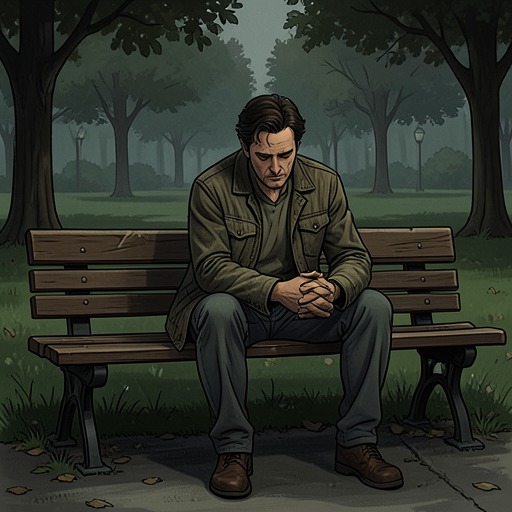
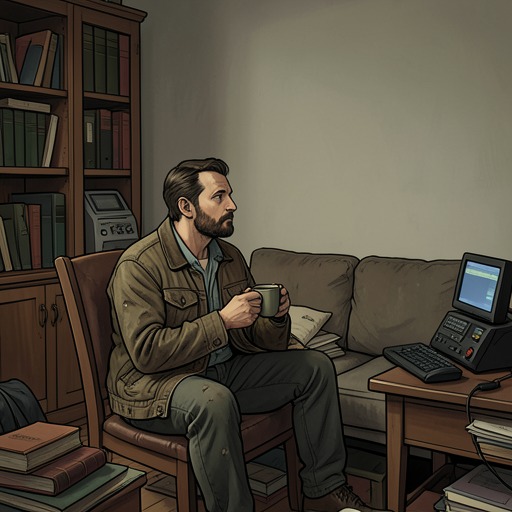
Eli explains that he had intended to stop competing the previous year. He had been accepted to the U and wanted to go to school, making retirement part of a planned transition rather than a sudden response to poor results. Abe's death changed that sequence. Eli says that afterward everything stopped, an account that links the interruption in his riding to the wider halt in his life without claiming that competition alone explains his grief.
That distinction matters to his eventual decision. When Auden asks why he is retiring, Eli does not describe the renewed effort as a change of heart about school or as a permanent return to racing. He identifies an unresolved ending: the pause after Abe's death was not the way he wanted his competitive career to conclude. His account makes the hiatus both an absence from competition and a period in which the circumstances of his departure remained unsettled.
The return becomes visible
The first evidence of Eli's return reaches Auden indirectly. At work, as she approaches and picks up receipts from the previous day, Maggie and Adam are watching a screen showing a rider going up a ramp and down the other side. Adam identifies the performance as Eli's first competition in over a year and says that he placed second. He is impressed that Eli got back on the bike after such a long interval and did so well.
Auden initially sees only a small figure on the screen. Looking again, she recognizes the longer hair beneath the helmet. The detail turns a distant image into Eli, while the result—second place—establishes that the return is not merely an appearance at an event. He has competed successfully after more than a year away. Maggie's brief reply suggests the comeback may not have been as abrupt as Adam assumes; later, Eli tells Auden that he has in fact been competing again for a few weeks.
A comeback with a chosen endpoint
In a later conversation, Eli tells Auden that he had a competition in Roardale and has been back competing for several weeks. His disclosure also explains why he previously declined her invitation to the prom: the competition was part of a return he had not yet explained. Auden already knows that he has been competing, which surprises him. The exchange connects the public evidence of his comeback to the private circumstances of his decision, while allowing Auden to understand his refusal in retrospect.
Eli then clarifies that he is not quitting again but retiring, effective that day. The correction gives his decision a finality that the earlier hiatus did not have. The return has not erased his original plan to leave racing; it has given him the chance to compete again before closing that part of his life. He says he wanted to try to go out on top, rather than simply vanish from the sport after Abe's death. His phrasing leaves room for an imperfect result: trying matters, even if the evidence does not establish that he achieved a triumphant final victory.
What the hiatus changes
Eli apologizes to Auden for not explaining his earlier refusal more clearly. She accepts the reason, understanding that the competition was something he had to do. His apology does not undo the disappointment of the refusal, but it replaces an unexplained no with an account of the pressures behind it. Eli confirms that she understands. The conversation makes his return consequential beyond the race itself: it changes what Auden knows about his choices and lets them address the gap between his actions and her interpretation of them.
The sequence also distinguishes grief from the decision that follows it. Abe's death is the point at which Eli's plans and activity stopped; it is not presented as a problem that racing resolves. Instead, competition gives him a concrete way to revisit an unfinished departure. He returns, competes for several weeks, and then retires by choice. The movement is neither a return to the life he had planned before Abe died nor a denial of what happened. It is a limited second attempt to leave on terms he can recognize as his own.